

Emergency Leak Detection
You’re standing in your kitchen in Bradenton or Sarasota, and something feels off. Maybe it’s a faint dripping sound inside a wall, a damp patch on the ceiling, or a musty smell that won’t go away no matter how much you air the place out. That’s usually how a water emergency starts, small enough to doubt, serious enough that waiting can cost you drywall, flooring, and peace of mind.
Emergency leak detection is about moving fast, but moving smart. In Florida homes, where humidity can turn a minor leak into a mold problem quickly, the right first steps matter as much as the repair itself. The goal is simple, stop the damage, find the source, and keep the problem from spreading.
First Signs of a Water Leak Emergency in Your Home
It usually starts with one clue that is easy to overlook. A ceiling stain shows up after a storm, a floorboard begins to cup near the hallway, or you hear a soft hiss behind the laundry room wall when the house is quiet. In Florida, those signs deserve fast attention because warm, humid conditions let hidden moisture spread into drywall, wood, and insulation before the surface damage looks serious.
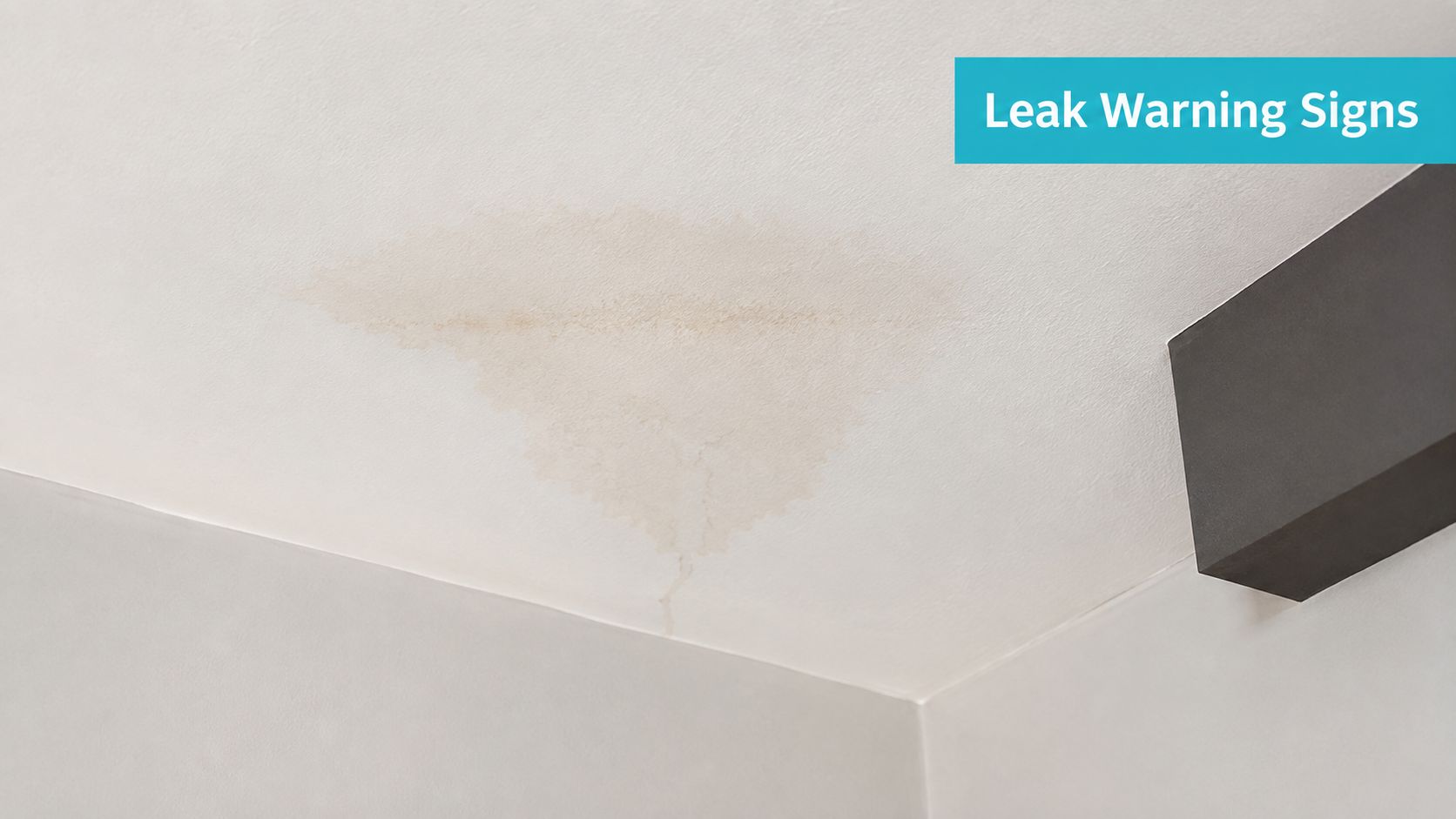
What homeowners usually notice first
The early signs are rarely dramatic. You are more likely to see peeling paint, warped flooring, a soft spot in drywall, or a slight discoloration around a ceiling seam than a gush of water. Sometimes the only clue is an odor, a musty smell that suggests moisture has been present long enough to settle into materials and start affecting the room.
A leak can also announce itself through sound. Dripping, hissing, or the faint movement of water in a wall cavity is often easier to hear at night when the house is quiet. If the stain is on a ceiling, the clearest help often comes from a focused inspection of the fixture, roofline, or plumbing above it, which is why guides on preventing costly ceiling water damage are useful once that first mark appears.
Practical rule: if a stain or smell changes from day to day, treat it like an active leak until you know where it is coming from.
A small leak can still waste a surprising amount of water and keep feeding hidden damage behind the finish surfaces. The point is not the size of the drip, it is the fact that the leak keeps going until someone shuts it down and finds the source. That is why Florida homeowners should pay attention to early warning signs instead of waiting for the damage to become obvious.
If you have already spotted one or more of these signs, compare them with the warning list in these signs of water damage in your home.
Your Immediate Action Plan for a Suspected Leak
The first move is safety. If water is near outlets, fixtures, or appliances, shut off power to the affected area before you step into pooled water or start touching anything. Electricity and standing water don’t mix, and the wrong move can turn a plumbing issue into an electrical hazard.
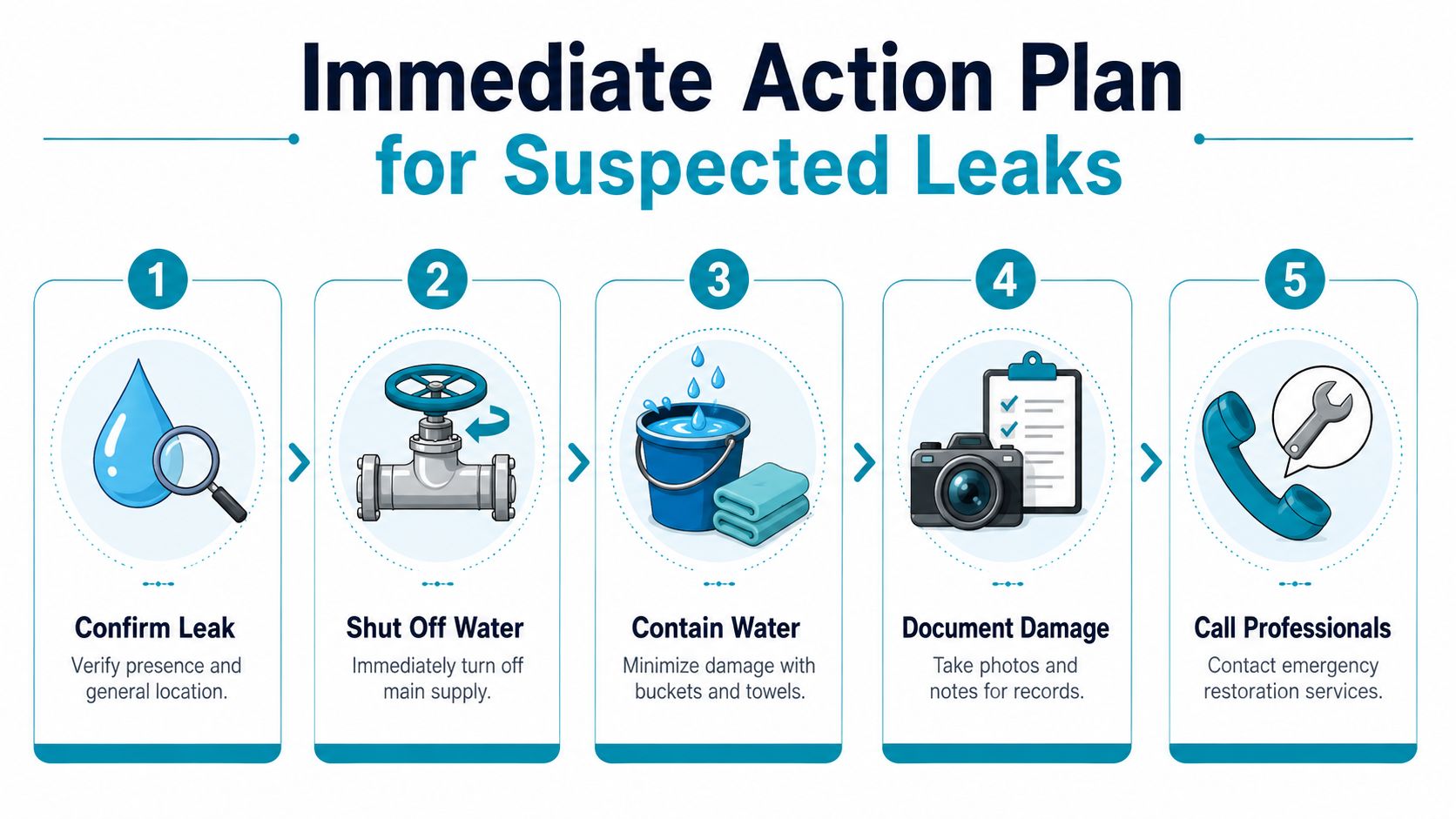
The first five moves
- Confirm the leak. Check whether the water is still active, spreading, or just leftover moisture.
- Shut off water. Turn off the main supply if you can reach it safely.
- Contain the spread. Use buckets, towels, and shallow pans to catch what you can.
- Document what’s happening. Take photos of the source, damage, and affected belongings.
- Call professionals. Get emergency restoration help before the wet area expands.
After the water is stopped, move anything valuable or sensitive out of the affected space. Furniture, rugs, electronics, papers, and keepsakes should get out of the way fast, because even a short delay can leave stains or swelling behind. If you want a separate field guide for the early response process, Western Bathroom Renovations’ leak guide offers another practical perspective on detecting plumbing leaks before they turn into larger repairs.
Turn off the water first, then start cleanup. If you reverse that order, you can lose precious minutes while the leak keeps feeding the damage.
For homeowners who need a broader post-burst checklist, this pipe burst recovery guide fits right alongside these steps. Once the immediate threat is controlled, the next priority is getting the moisture out and identifying how much of the structure was exposed.
DIY Leak Detection Methods You Can Try Safely
Once the area is safe, you can gather useful clues without tearing anything open. Start with the meter. If every faucet, appliance, and fixture is turned off, but the meter still moves, that’s a strong sign water is flowing somewhere in the system. A practical first-pass test for a suspected leak is a water-meter shutoff check, and if the meter keeps moving when everything is off, a leak is likely active somewhere in the plumbing system. Water-meter shutoff check
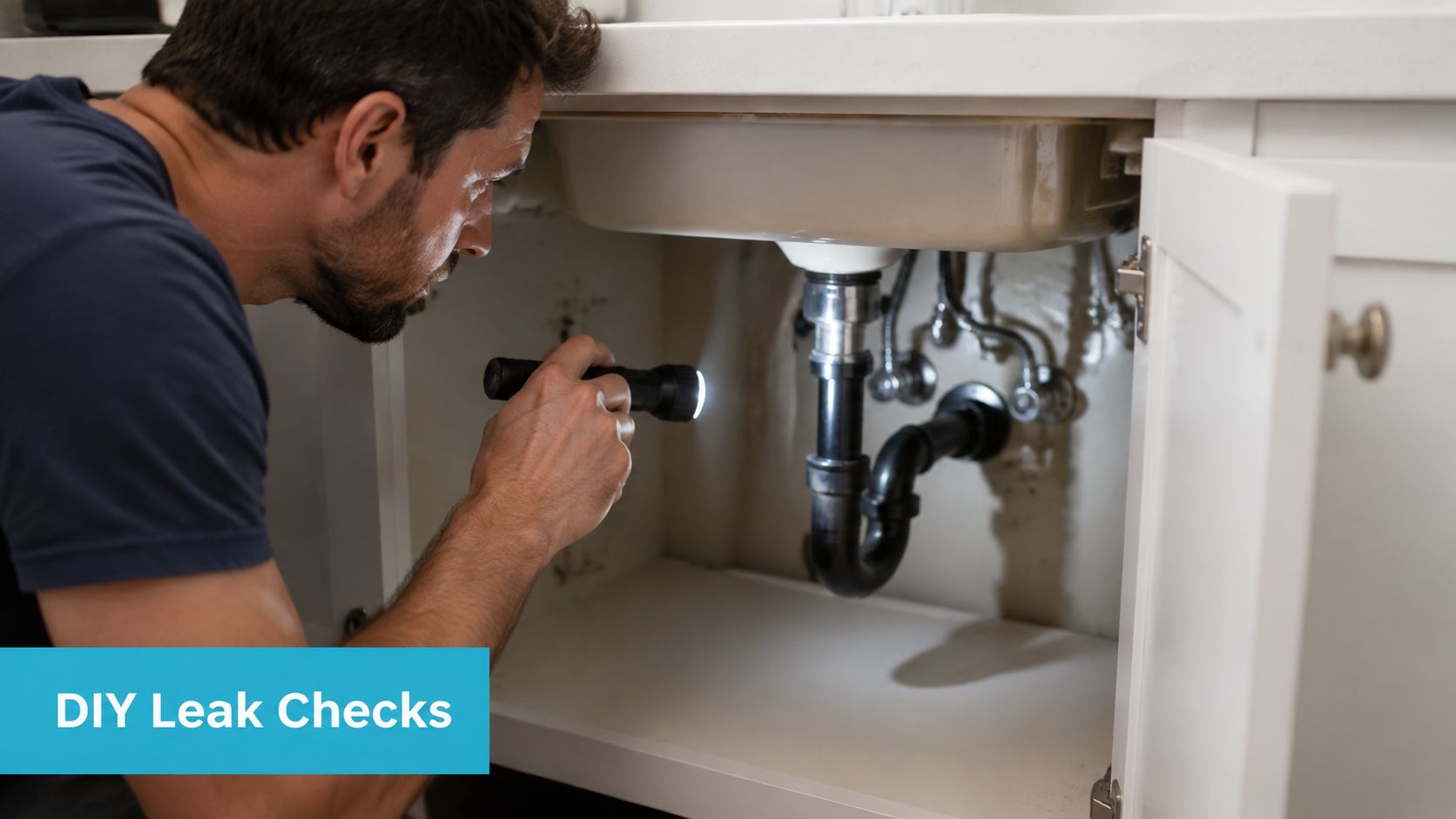
Safe checks that actually help
Look under sinks, behind toilets, around the water heater, and at visible supply lines. You’re searching for corrosion, dampness, loose fittings, or slow drips that leave mineral buildup. Listen carefully too, because a hidden line can still make a faint running-water sound when the rest of the house is quiet.
A simple checklist helps keep this controlled:
- Check visible connections. Inspect shutoff valves, hose bibs, and appliance hoses for moisture.
- Listen in silence. Stand near suspect walls or cabinets and listen for dripping or hissing.
- Watch the meter. Recheck it after a few minutes to confirm movement hasn’t stopped.
- Stay non-invasive. Don’t cut drywall or pry up flooring unless a professional has already localized the leak.
If you’re in the Bradenton or Sarasota area and need a no-cost starting point, AMPM Restoration’s free water leak detection is the kind of service that can help bridge the gap between suspicion and confirmation. The point isn’t to solve everything yourself, it’s to collect enough evidence to avoid guesswork.
If the leak is visible, simple, and accessible, a homeowner can usually document it safely. If it isn’t, stop before you create a second problem.
When to Stop and Call for Professional Leak Detection
The hardest leaks to handle are the ones you can’t see. If your meter keeps moving, but no fixture is dripping, the source may be behind a wall, under a slab, or buried in a hard-to-access line. That’s where professional emergency leak detection matters most, because hidden moisture often causes more damage than the original pipe failure.
A sudden spike in the water bill is another warning sign, especially when usage habits haven’t changed. Persistent mold or mildew odor without a clear source should also move the situation out of DIY territory. Intermittent leaks are especially frustrating because they appear, disappear, and then return before a homeowner can pin them down.
Why professionals use different tools for different leaks
Diagnosing intermittent or hidden leaks presents a challenge. Effective detection depends on choosing the right non-invasive method, thermal imaging, acoustic testing, or tracer gas, based on pipe material, layout, and access constraints, which requires professional judgment. That same logic applies to slab and underground work, where one approach might miss a leak that another can isolate quickly.
For buried or slab-related issues, Stultz Plumbing slab leak services is a relevant example of the kind of specialized work homeowners often need when the problem sits below the surface. In those situations, chasing the leak blindly can mean more demolition and a bigger repair bill.
AMPM Restoration’s leak detection company page is another reference point for homeowners who want a professional team to handle the localization instead of guessing at the source. The key is knowing when the leak has crossed from “visible problem” into “needs equipment and experience.”
What to Expect from AMPM Restoration’s Emergency Service
When a leak hits a Florida home, speed matters, but so does method. AMPM Restoration is a 24/7 emergency restoration company based in Bradenton, and the response starts with a fast call, clear questions, and a plan for getting a technician to the property quickly. In the Bradenton, Sarasota, and greater Tampa Bay area, that one-hour response target gives homeowners a realistic path from panic to action.

How the service works on site
The first step is inspection. AMPM’s technicians use thermal imaging, acoustic sensors, and moisture meters to pinpoint the source without unnecessary destruction. That matters because professionals use multiple noninvasive methods together to localize leaks, and a good assessment should find the wet area before anyone starts opening walls or lifting flooring. Concealed leak localization methods
Once the source is found, the team can move into mitigation, which typically means water extraction, drying, and dehumidification. That part matters just as much as detection, because standing moisture can keep damaging materials even after the pipe is fixed. For homeowners who want to know how the first day usually unfolds, the first 24 hours after water damage is a helpful companion read.
What comes after detection
A complete response doesn’t stop at the leak itself. AMPM Restoration also coordinates insurance claim assistance and offers financing options, which can reduce the stress of making urgent decisions while a room is still wet. The team can also carry the job through reconstruction, which helps keep the repair chain under one roof instead of bouncing between separate vendors.
If you need a straightforward comparison point, think of it this way, a homeowner can confirm a suspicious leak, but a restoration crew can localize it, dry the structure, and manage the next steps in one coordinated process. That’s the difference between a quick patch and a full emergency response.
Preventing Future Water Damage Emergencies
A leak emergency is easier to live through when the next one never starts. Check washing machine hoses, dishwasher lines, refrigerator supply lines, and under-sink connections on a routine basis, because those are common places for small failures to begin. Know where your main shutoff valve is before you need it, not after water is already on the floor.
Small habits that lower risk
Keep gutters clean so overflow does not send water where it should not go. Watch your water bill for changes that do not match household habits, because a hidden leak can start without obvious signs. A smart water leak detector also gives you early warning, especially in laundry rooms, kitchens, or near water heaters where problems often stay hidden until the damage is already underway.
Prevention also comes down to acting on small changes before they turn into a soaked ceiling or swollen cabinet base. A faucet dripping at one drip per second can waste more than 3,000 gallons per year. EPA leak facts
If you are in Bradenton, Sarasota, Tampa Bay, Saint Petersburg, Lakewood Ranch, or a nearby Gulf Coast community, AMPM Restoration is available 24/7 for emergency leak detection, water damage restoration, mold inspection, mold removal, fire and smoke damage restoration, storm and flood damage cleanup, and full reconstruction. Call 941-946-7807 for a free inspection and estimate, and ask about insurance claim assistance and financing options.
Frequently Asked Questions About Emergency Leak Detection
How do I know if a leak is an emergency?
If water is actively moving, spreading, or threatening electrical fixtures, treat it as an emergency. A leak hidden in a ceiling, wall, or slab also becomes urgent because damage can grow long before the source is visible.
Can I just wait until morning if the leak looks small?
Usually not. Small leaks can keep feeding drywall, insulation, flooring, and framing while you sleep, especially in a humid Florida home. The visible spot is often smaller than the moisture field behind it.
What if I smell mildew but can’t see water?
That smell often means moisture has already settled into materials. At that point, the leak may be concealed, intermittent, or located in a space that needs professional localization rather than visual inspection alone.
Do I need to open the wall to find the leak?
Not right away. Non-invasive tools are used first so the source can be narrowed before any demolition. That keeps the repair focused and helps avoid unnecessary drywall removal.
Why does the meter move when everything is off?
That usually means water is still flowing somewhere in the plumbing system. It doesn’t prove the exact location, but it does confirm that the problem is active and not just leftover surface moisture.
What should I have ready when I call a restoration company?
Have your address, a short description of what you see or hear, whether electricity is affected, and whether you’ve shut off the main water. Photos help too, especially if you need to document the loss for insurance.
If you’re dealing with a leak right now, don’t wait for the stain to grow or the smell to get worse. Contact AMPM Restoration Services for emergency leak detection, fast water mitigation, and help getting the damage under control before it spreads through the structure. Call 941-946-7807 now for a free inspection and estimate, and let a local Florida restoration team handle the detection, drying, insurance coordination, and rebuild.