

Residential Restoration
Commercial Restoration
24/7 Service
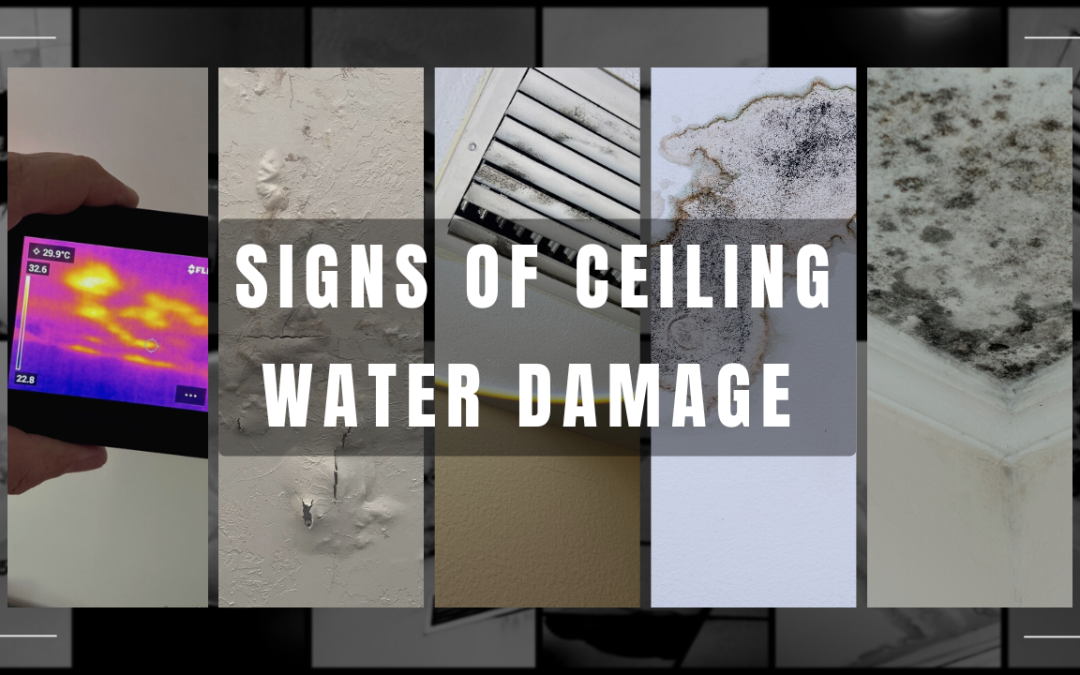
Signs of Ceiling Water Damage
When you notice a stain on your ceiling, it’s normal to feel worried, especially if you’re wondering whether it’s ceiling water damage. What looks like a harmless discoloration could actually be a sign of a slow leak, attic moisture, HVAC condensation, or even a hidden roof issue. Water damage isn’t always sudden or dramatic.
Sometimes it starts quietly, building up over weeks or months before you ever see a spot. At AMPM Restoration, we use advanced tools like infrared cameras and moisture meters to locate the source of moisture quickly and accurately. If you’re noticing something unusual on your ceiling, this guide will help you understand what it means and what to do next.
Here Are The Signs:
Because homeowners often scan articles for quick information, here are the most common signs to watch for:
- Yellow, brown, or copper-colored stains
- Peeling paint or bubbling texture
- Sagging or soft drywall
- Musty odors coming from a specific area
- New stains are appearing after rainfall
- Circular spots forming around the AC vents
Spotting ceiling water damage early can help you avoid costly repairs, dangerous structural issues, and potential mold growth.
What Does Water Damage Look Like?
Ceiling water marks can tell you a lot, if you know what to look for. Fresh stains usually appear light yellow, damp, or slightly darker than the surrounding material. Older stains may turn brown, copper, or ring-shaped as minerals in the water dry up over time.
Changes in texture are another sign:
- Bubbling or cracking paint
- Soft or spongy drywall
- Uneven or swollen areas from trapped insulation moisture
If the stain is around an AC vent, this often points to condensation issues or a clogged HVAC drain line, causing moisture to pool and drip. Because not all moisture is visible, a professional Water Damage Inspection using infrared technology can reveal what the eye can’t.
Why Does This Happen?
Ceiling moisture can come from many different sources, and not all of them are obvious:
- Slow roof leaks after storms
- Leaking or loose pipe connections in the attic
- HVAC condensation lines are backing up
- Poor ventilation is causing humidity buildup
- Wind-driven rain entering small roof openings
These issues often begin small but worsen over time, creating hidden moisture that eventually shows up as stains, sagging areas, or musty odors.
How To Do A Ceiling Water Damage Repair
When AMPM Restoration performs a water damage inspection, we look for more than just what’s visible. We check moisture levels inside the ceiling, trace the water source, and assess the structural integrity of the affected area.
Here’s the general process for Water Damage Repairs:
- Identify and stop the water source
- Remove wet or damaged materials
- Thoroughly dry the area using industrial-grade equipment
- Sanitize surfaces to prevent mold growth
- Restore or rebuild the ceiling to its original condition
Professional Water damage restoration ensures the job is done safely and thoroughly, preventing future problems.
How to Fix a Water-Damaged Ceiling
Some homeowners consider DIY repairs, but ceiling damage requires caution. Here’s a simplified breakdown:
Step 1: Protect the area and try to locate the source.
Step 2: Check for sagging or structural concerns. (If present, stop immediately and call a pro.)
Step 3: Begin drying the ceiling using fans or dehumidifiers.
Step 4: Cut out damaged drywall.
Step 5: Patch, prime, and repaint the repaired area.
DIY can work for very minor issues, but most cases of ceiling water damage require professional tools to ensure the ceiling is fully dried and safe. AMPM Restoration uses moisture meters and infrared imaging to guarantee that no hidden moisture remains.
How AMPM Restoration Helps
AMPM Restoration is equipped with the tools and training needed to pinpoint hidden water quickly:
- Infrared cameras to detect temperature changes from moisture
- Moisture meters to measure saturation inside the ceiling
- Leak detection technology to trace the exact source
- Professional drying equipment to prevent mold and further deterioration
Early water damage inspection can prevent costly repairs and stop mold before it spreads through your home.
As a full-service restoration company, we handle everything from stopping the leak to complete Water damage restoration.
Trust the Experts Before Your Ceiling Gets Worse
If you’re noticing stains, sagging areas, damp spots, or discoloration, those signs of ceiling water damage should never be ignored. Whether it’s a slow roof leak, AC condensation, or plumbing moisture, water is getting in, and it won’t stop on its own. AMPM Restoration is here to help with professional water damage inspection, expert water damage Repairs, and complete water damage restoration services. If you suspect ceiling water damage, don’t wait; we are here to help.
Take control of your health and home today, schedule your free mold inspection, and breathe easier knowing your space is safe again.
Call us now to schedule your Free Mold Damage Inspection and let our experts handle the rest! We offer monthly financing options to make it easier than ever.

Signs of Ceiling Water Damage: Frequently Asked Questions
How do I know if the stain on my ceiling is water damage?
Look for discoloration, soft texture, bubbling paint, or lingering musty odors. If in doubt, schedule a Water Damage Inspection.
What causes ceiling water damage around AC vents?
Usually HVAC condensation, a clogged drain line, or poor attic ventilation.
Can ceiling water damage lead to mold growth?
Yes, moisture trapped in ceilings creates ideal conditions for fast mold growth.
How long does ceiling water damage repair usually take?
Minor repairs may take 1–3 days. Larger restoration projects can take a week or more, depending on drying time.
Should I try to fix a water-damaged ceiling myself?
DIY is fine for very small, dry areas. Anything involving sagging, structural concerns, or active leaks should be professionally repaired.
What tools do professionals use during a water damage inspection?
Infrared cameras, moisture meters, hygrometers, and leak-detection equipment.